
For Property Owners
How to Lease Your Land for a Billboard in Ontario
What operators look for, how leases are structured, and what a property owner should expect from the process.
Written by Crown Billboard Advertising·Updated September 2026·9 min read
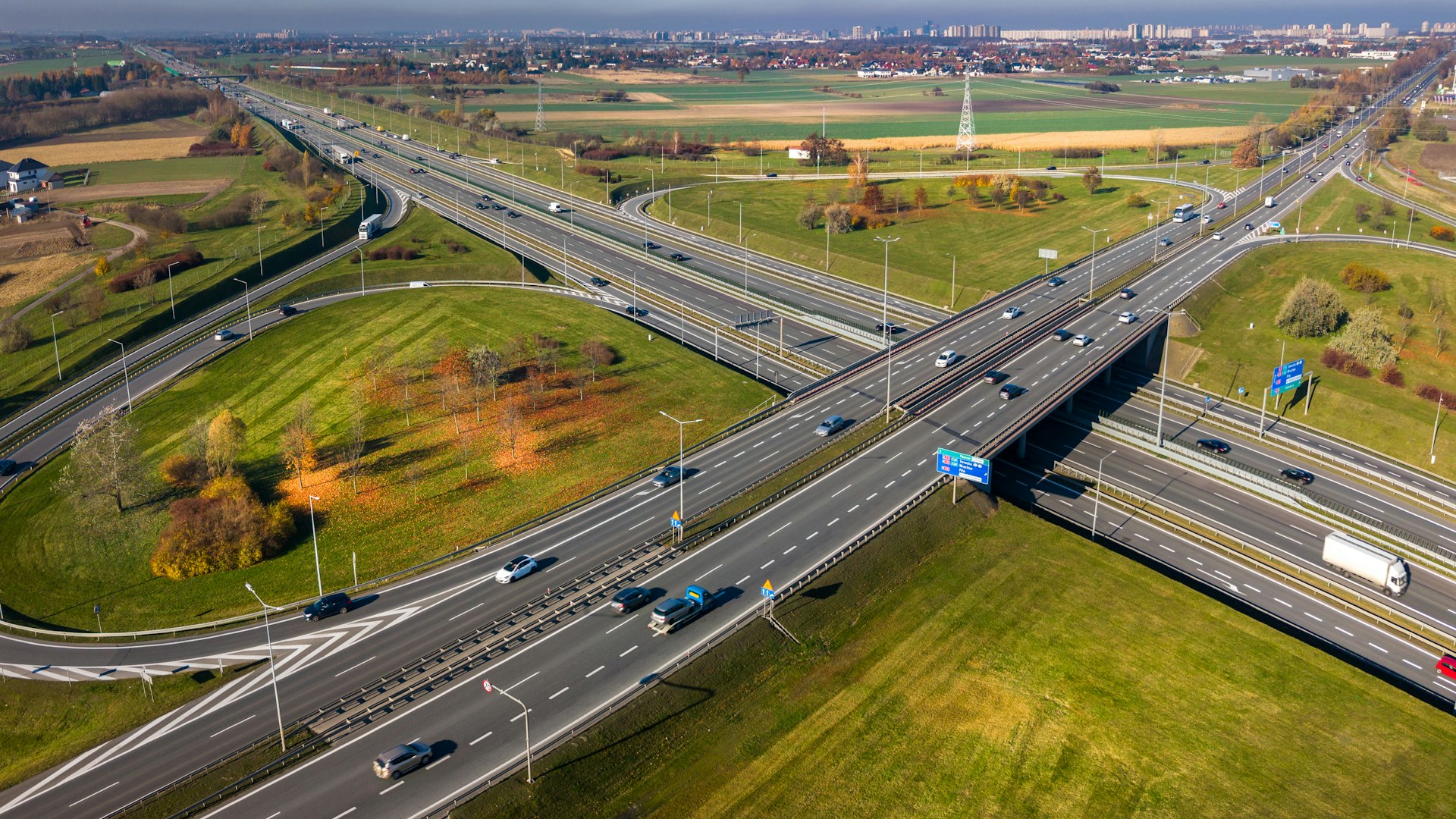
If you own commercial or high-traffic property in Ontario, part of your land may be worth more to an outdoor advertising company than it is to you. A billboard lease lets an operator use a defined portion of the site for an advertising structure while you receive compensation under a written agreement.
Not every property qualifies. Traffic matters, but so do visibility, zoning, setbacks, surrounding land uses, access, utilities and municipal billboard rules.
Jump to section
What Can You Earn Leasing Land for a Billboard?
Compensation varies widely, and any operator quoting a figure before seeing the property is guessing. What actually drives the number:
- traffic and visibility
- advertising demand in the area
- municipality and zoning
- billboard type and number of faces
- site access and utilities
- potential advertising revenue
- lease duration
For that reason, a responsible operator evaluates the specific property rather than promising a generic dollar amount.
Common lease payment structures
Fixed rent gives the owner a predetermined payment regardless of what the billboard earns. Revenue share bases compensation partly or entirely on advertising revenue from the location. A hybrid combines guaranteed rent with revenue-related compensation. Whichever applies, the structure should be documented explicitly in the lease.
What Makes a Property Attractive
Traffic
Operators need audiences. A property along a heavily travelled road is more attractive than one with limited passing traffic.
Visibility
A high traffic count means little if drivers can't see the board clearly. Operators assess sightlines, approach distance, road orientation, trees, buildings, other signage, elevation and obstructions.
Zoning
Municipal rules determine where billboard structures can legally be placed. Commercial value doesn't automatically mean a site qualifies.
Setbacks and separation
Regulations can require minimum distances from other billboards, certain zones, driveways, property lines and sensitive uses — and those rules eliminate plenty of otherwise promising locations.
Access and electricity
The operator must be able to safely reach the structure for construction, electrical work, inspections and maintenance. Digital sites also need a suitable electrical connection.

Approvals and Development
Billboard development is a long-term investment rather than a quick installation. A project typically involves engineering, design, professional drawings, construction, electrical work, equipment, permitting, maintenance, insurance and ongoing compliance. That's why billboard leases are structured as long-term agreements rather than short rentals.
Own property on a busy Ontario road?
Send us the address and we'll assess traffic, visibility and development potential.
Submit your property →Inside a Billboard Lease
Leases are commonly measured in years, because the operator may invest substantial capital in approvals, engineering, foundations, steel, digital equipment, installation and electrical infrastructure.
A written agreement should clearly address:
- rent, payment timing and any increases
- initial term and renewal rights
- access rights — where and when the operator can enter
- utilities and who pays for them
- maintenance of the structure and surrounding area
- insurance and liability
- removal obligations at the end of the lease
- what happens if you sell or redevelop the property
In a typical arrangement the operator develops and maintains the structure, but responsibility for permitting, engineering, construction, installation, electricity, repairs, maintenance and removal should be written down rather than assumed. Crown's landowner model is built around full project management and low owner involvement.
Billboards are regulated structures. In Ottawa a permit is required before construction or operation, and billboard permits can be valid for up to five years before renewal. Property owners should consider independent legal advice before signing a long-term real estate agreement.
Can any commercial property qualify?
No. Even properties on busy roads can fail on zoning, required separation distances, residential proximity, heritage considerations, visibility, setbacks, site dimensions, existing signage or municipal restrictions. That's why the first step is always an assessment rather than an assumption.
The Process, Step by Step
- Submit your property — address, contact details, site information and photos if you have them.
- Initial site assessment — traffic, visibility, zoning, setbacks and advertising potential.
- Commercial evaluation — whether a billboard here would attract advertisers.
- Lease discussion — compensation, term, access, responsibilities and other commercial terms.
- Permitting and development — the operator begins the applicable approval process.
- Construction and operation — after approvals, the site moves toward build and advertising operation.
Frequently Asked Questions for Ontario Landowners
How much do billboard companies pay property owners?
There's no universal rate. Compensation depends on the site's advertising value, traffic, visibility, municipality, lease structure and other factors.
Does my property qualify for a billboard?
Possibly. High traffic helps, but zoning, setbacks, sightlines, access and local regulations all determine feasibility.
Do I have to pay for the billboard?
The agreement should state clearly who handles permitting, construction, utilities and maintenance. Crown's model is built around operator-led project management.
How much space does a billboard need?
The footprint depends on the structure and regulatory requirements, which is why a site assessment comes first.
Can I still use the rest of my property?
Generally yes — a billboard lease affects a defined area, though access rights and restrictions should be described clearly in the lease.
How long is a billboard lease?
Billboard agreements are frequently long-term, because the operator makes significant upfront investments in the site.
Can I put a digital billboard anywhere in Ontario?
No. Billboard rules differ by municipality, zoning and site characteristics.
Crown Billboard Advertising partners with suitable property owners to develop billboard locations with long-term income potential and low owner involvement. Submit your property and we'll evaluate the opportunity.
Rates, availability and estimated impressions can change. Contact Crown for current campaign information.
About Crown Billboard Advertising
Crown Billboard Advertising works with advertisers and property owners across Ontario to plan billboard campaigns, evaluate locations and develop outdoor advertising opportunities.
Continue reading
Billboard Advertising Cost in Ottawa
See real pricing, impression estimates, CPM calculations and the factors that determine billboard rates.
Read guide →AdvertisingDigital Billboard Advertising in Ottawa
Learn how digital billboards work, how long ads display, how creative should be designed and what a campaign can cost.
Read guide →AdvertisingIs Billboard Advertising Worth It?
Explore campaign economics, ROI examples and when billboard advertising makes sense for a local business.
Read guide →Could Your Property Become a Crown Billboard Location?
If you own property along a busy Ontario road, send us the address. We'll evaluate traffic, visibility, site conditions and development potential.